


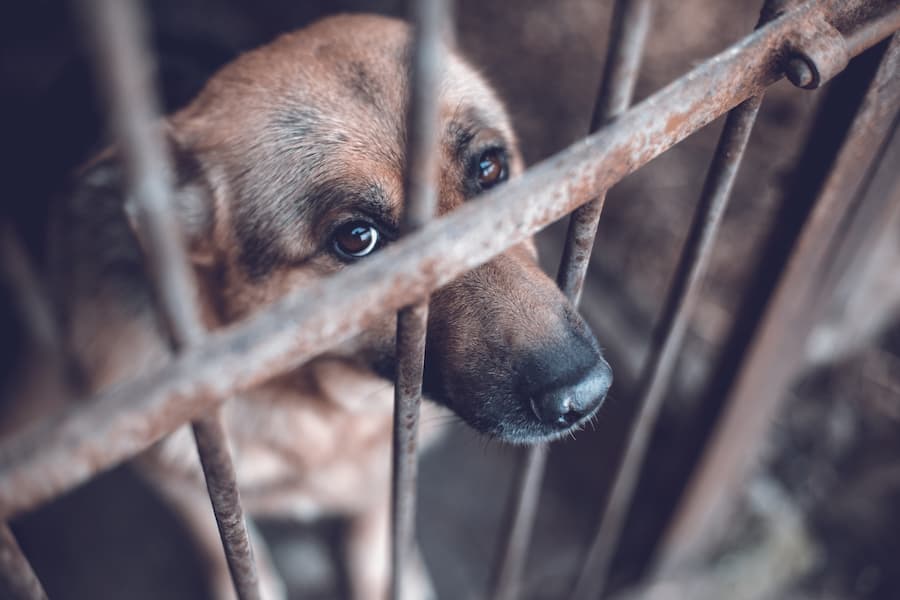
Being investigated or charged for animal cruelty in Ohio is a serious matter. These cases move fast, emotions run high, and prosecutors often push for serious penalties.
At Patituce & Associates, we defend people accused of criminal offenses across Ohio, including animal cruelty and related allegations. If law enforcement, a humane agent, or a dog warden has contacted you, executed a search, seized animals, or filed charges, now is the time to speak with an animal cruelty defense attorney.
Animal cruelty charges put a lot on the line, including:
- Misdemeanor or felony convictions (depending on the statute and your history)
- Jail or prison exposure under Ohio sentencing law
- Court-ordered forfeiture of animals and limits on future ownership/care
- Bond/cash deposit requirements to pay for care during a pending case
- Reputational and employment fallout
Call 24/7 For a Free Consultation
When prosecutors treat a case as a “cruelty” prosecution, you need defense counsel with real trial experience and credibility.
People hire Patituce & Associates because:
- Our founder, Joseph Patituce, is one of only eight Board-Certified Criminal Trial Attorneys in Ohio.
- Our team has decades of combined experience handling serious criminal cases across Ohio.
- We have 400+ jury trials’ worth of leverage when the State overcharges or refuses to be reasonable.
- We know prosecution strategy from the inside, with former prosecutors on our team.
- We take calls 24/7 and offer a free, confidential consultation with an attorney right away.
Understanding Ohio Animal Cruelty Charges
Ohio uses two primary animal-cruelty statutes, depending on the animal and the allegations:
- Cruelty to Animals – O.R.C. 959.13 (broad statute; covers animals generally, including scenarios involving confinement, sustenance, shelter, and transport)
- Companion Animal Cruelty (Goddard's Law) – O.R.C. 959.131 (dogs/cats and household companion animals; includes “serious physical harm” and specific caretaker/kennel standards)
A “companion animal” includes any animal kept inside a residential dwelling and any dog or cat, regardless of where kept (with exclusions for livestock and wild animals).
Conduct These Statutes Cover
O.R.C. 959.13 — Cruelty to Animals
This statute prohibits conduct such as:
- Torturing an animal, depriving necessary sustenance, cruelly beating, needlessly mutilating or killing, or confining without sufficient food and water
- Confining without shelter from wind/rain/snow/excessive sunlight where the animal can reasonably be expected to suffer
- Carrying/conveying an animal in a cruel or inhumane manner
O.R.C. 959.131 — Prohibitions Concerning Companion Animals
This statute includes multiple “tracks,” with different mental states and levels of harm:
- Knowingly torturing/tormenting/maiming/beating/poisoning/needlessly killing or committing an act of cruelty
- Knowingly causing “serious physical harm” to a companion animal
- Negligently cruel conduct or deprivation by a custodian/caretaker (including deprivation of food/water or shelter under certain conditions)
- Recklessly depriving necessary sustenance (food/water) by a custodian/caretaker
- Separate standards for dog kennel owners/managers/employees
Ohio law also defines “serious physical harm” for this statute as harm that creates a risk of death, permanent incapacity, or substantial suffering/prolonged pain.
What the State Must Prove
Animal cruelty cases are won and lost on elements: who did what, the required mental state, causation, and what the evidence shows.
1) O.R.C. 959.13 — General Cruelty Elements
Prosecutors generally try to prove you engaged in prohibited conduct—such as torture, deprivation of necessary sustenance, cruel beating, or improper confinement without food/water or shelter—based on the specific clause alleged.
Defense focus is often on:
- Identity/responsibility: who controlled the animal and the conditions
- Causation: whether the State can tie an injury/condition to the accused (and when)
- “Reasonably expected” suffering: especially in shelter-related allegations
2) O.R.C. 959.131 — Companion Animal Charges (By Division)
Because the statute has multiple divisions, the defense has to force the State to commit to a theory:
- Division (B): “Knowingly” cruel acts (torture/torment/maim/beating/poison/needlessly kill/act of cruelty)
- Division (C): “Knowingly” causing serious physical harm (a different and more aggressive theory)
- Division (D): “Negligently” cruel conduct/deprivation by a custodian/caretaker (includes food/water and shelter standards tied to likely sickness/suffering)
- Division (E): “Recklessly” depriving of necessary sustenance
- Divisions (F) and (G): Dog kennel allegations (separate rules for knowing vs negligent conduct by kennel personnel)
The mental state matters. “Knowingly,” “recklessly,” and “negligently” are not interchangeable, and the State must prove the one they charged.
Penalties for Animal Cruelty in Ohio
Ohio’s penalties for these offenses are primarily set out in O.R.C. 959.99:
- O.R.C. 959.13 (general cruelty): generally a misdemeanor of the second degree, and the court may order forfeiture of the animal/livestock.
- O.R.C. 959.131 (companion animals): Violations of certain divisions can be M1 on a first offense and F5 on subsequent offenses. Serious physical harm allegations are charged as a felony of the fifth degree. Other caretaker/kennel-related divisions have their own grading.
- O.R.C. 959.16 (animal fighting): F4 first offense and F3 subsequent offense.
A conviction for animal cruelty can carry anything from a few days in jail on a misdemeanor to more than a year in prison on a felony, depending on which statute applies, whether the case involves a companion animal, and the person’s prior record.
Felony convictions may also result in thousands of dollars in fines, court-ordered forfeiture of animals, and long-term restrictions on owning or caring for pets. For example:
- Impoundment + Bond/Cash Deposit Hearings. Officers can seize and impound an animal if they have probable cause to believe it is the subject of an offense, and the court can hold a prompt hearing to determine probable cause and set a bond/cash deposit to cover at least 30 days of care. If the bond isn’t posted or renewed, the impounding agency may determine disposition (unless the court orders otherwise).
- Forfeiture / Ownership Restrictions / Reimbursement. For companion animal cases, the court may order forfeiture to an impounding agency and may prohibit or limit the person’s ability to own or care for companion animals. Courts may also order reimbursement for reasonable and necessary impoundment care costs.
How These Cases Commonly Start
Animal cruelty prosecutions often begin with:
- Complaints from neighbors, family members, or former partners
- Vet reports, shelter involvement, or dog warden/humane agent investigations
- Social media posts, photos, or texts that get forwarded to law enforcement
- A call that escalates into a warrant, entry, and seizure
Once the State controls the narrative, it gets harder to unwind. Early representation is about controlling damage, testing probable cause, and forcing the State to prove what it’s alleging, not what it’s assuming.
Defenses to Animal Cruelty Charges
Every case is fact-specific, but strong defenses often focus on:
- Challenging probable cause and warrants: whether law enforcement/humane agents lawfully entered, seized animals, or searched property/devices
- Responsibility and control: who owned the animal, who had custody/caretaker duties, and whether the State can prove the accused was the legally responsible party
- Mental state: whether the evidence supports “knowing,” “reckless,” or “negligent” conduct (especially under R.C. 959.131)
- Causation and veterinary evidence: injuries/conditions can have alternative explanations; timelines matter
- Overcharging and charge selection: pushing back when the facts don’t match the statute or the level charged
- Negotiation strategy: where appropriate, fighting for outcomes that avoid the most damaging long-term consequences (including ownership restrictions and forfeiture)
How Patituce & Associates Can Help
Animal cruelty cases are not handled well by “generic” criminal defense. They require early action, credibility, and a willingness to litigate hard issues—probable cause, seizures, expert evidence, and trial posture.
Our defense attorneys help by:
- Intervening early, sometimes before charges are finalized
- Pressuring the State to produce the evidence and prove each element
- Challenging searches, seizures, and investigative shortcuts
- Working with qualified experts when needed
- Negotiating from a position of strength and taking cases to trial when prosecutors refuse to be reasonable
If you or a loved one is facing an investigation or charge for animal cruelty in Ohio, call Patituce & Associates now at (440) 771-1175. We’re available 24/7 for a free, confidential consultation.


